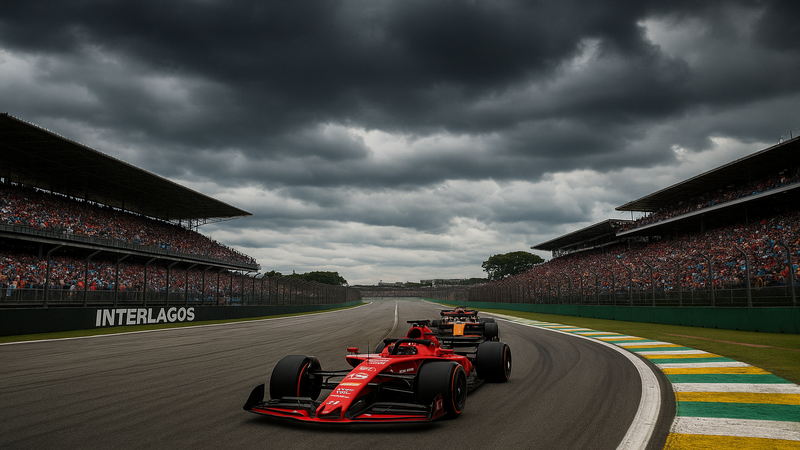
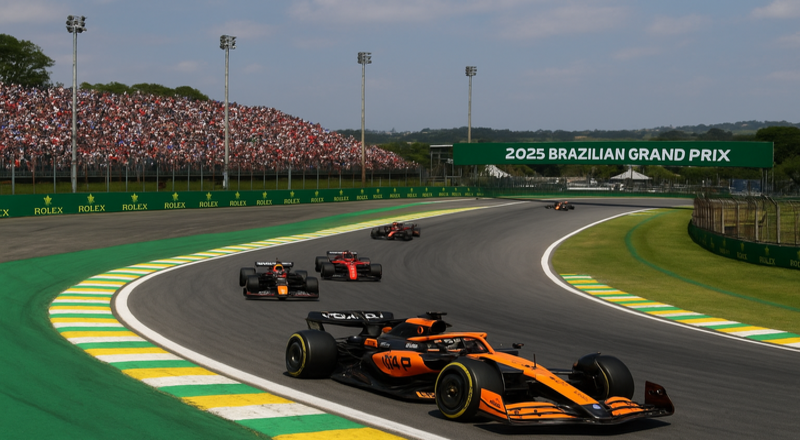
The opening practice for the 2025 Brazilian Grand Prix unfolded under the warm São Paulo skies at the iconic Autódromo José Carlos Pace. The circuit, more commonly called Interlagos, is a 4.3-kilometer rollercoaster of asphalt that winds through steep elevation changes and tight technical corners. Known for unpredictable weather and a bumpy surface, it challenges both car and driver in equal measure. This single practice session held on Friday, November 6, 2025, carried extra weight as it was the only window for teams to fine-tune setups before the sprint qualifying later that day. The packed crowd in the grandstands witnessed teams scrambling to collect as much data as possible in just one hour, knowing that any misstep could ripple through the rest of the weekend.
Driver availability remained stable heading into the session, with all regular racers fit to compete. No team had to call in a reserve driver, a relief given the congested end-of-season schedule. Still, the morning brought drama. Yuki Tsunoda clipped the barrier at Turn 4 after losing rear grip on a cold set of tyres, damaging both ends of his Red Bull and missing a chunk of valuable running. His accident underscored how costly even a small mistake could be on a weekend with such limited track time. The rest of the grid managed cleaner laps, though several drivers complained over team radio about gusting winds through the Senna S and inconsistent grip in the infield. Engineers quickly switched between aero configurations to cope, searching for the elusive balance between straight-line speed and corner stability.
Behind the garage doors, tactics varied sharply. Teams like McLaren opted to push early, running lighter fuel loads and softer compounds to test their qualifying performance. This aggressive approach paid off as both Lando Norris and Oscar Piastri topped the timing sheets, their cars visibly stable through the quick left-hander at Mergulho. Ferrari, by contrast, kept a conservative programme, focusing on long-run simulations and tyre degradation on the harder C2 and C3 compounds. Mercedes split its drivers’ duties — one on high-fuel data gathering, the other chasing short-run grip. The Red Bull camp spent most of the session experimenting with ride-height adjustments, suggesting they were chasing mechanical grip on the new surface. With only sixty minutes available, each lap carried strategic importance, forcing teams to prioritise data collection over raw speed.
The press coverage in the hours before practice painted a tense picture. Local Brazilian outlets highlighted the unpredictable weather forecasts, warning that rain could shuffle the competitive order by qualifying. International reporters focused on the growing narrative of McLaren’s resurgence and whether their momentum could finally unsettle Red Bull’s dominance. Many journalists also noted the reduced practice time — a hallmark of sprint weekends — and speculated that teams relying on late-session setup changes might struggle. There was palpable curiosity about Ferrari’s ability to maintain tyre temperature on the resurfaced track, as well as questions surrounding Mercedes’ straight-line pace deficit seen in previous rounds. The storyline emerging from the paddock was clear: the Brazilian weekend could redefine the late-season dynamics if the frontrunners misjudge conditions.
Inside the broadcast studios, analysts offered deeper interpretation rather than raw excitement. They noted that McLaren’s early one-two finish was no accident but likely a reflection of aerodynamic efficiency and strong traction tuning. Several pointed out that the team’s balance through sector 2 suggested they had unlocked a setup sweet spot others were still searching for. Analysts debated whether Red Bull’s lack of top-end performance was deliberate sandbagging or a genuine sign of discomfort on the uneven Interlagos surface. Attention also turned to tyre strategy, with experts predicting a two-stop race unless cooler weather arrived to preserve the softer compounds. Beyond lap times, studio commentary emphasized the mental side of the weekend — a single practice session meant drivers needed instant confidence, leaving no time for hesitation. Every analyst agreed: in São Paulo, rhythm and preparation mattered as much as raw pace, and whoever mastered both in that one precious hour would hold the upper hand for the rest of the weekend.
| Read a Related Article |
|---|
Showdown at Interlagos: The 2025 Brazilian Grand Prix Set for a Championship Decider