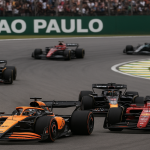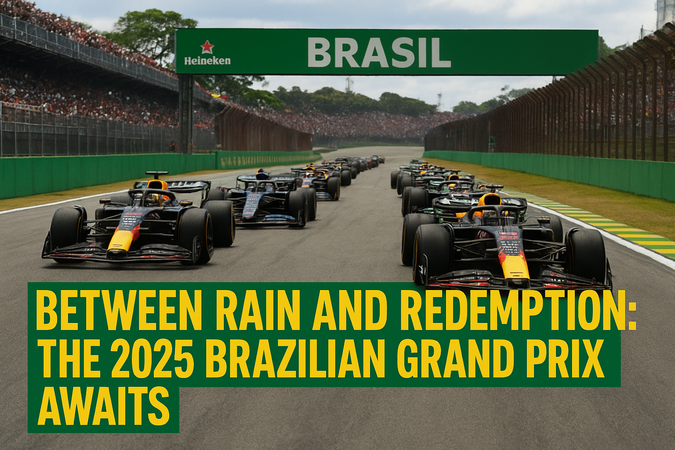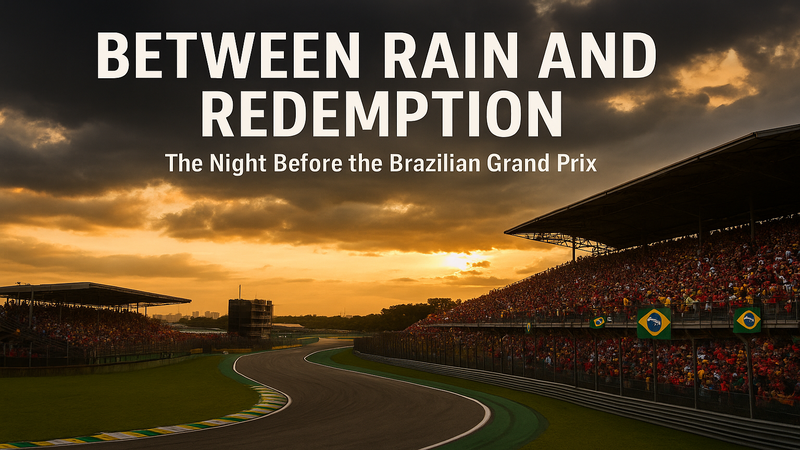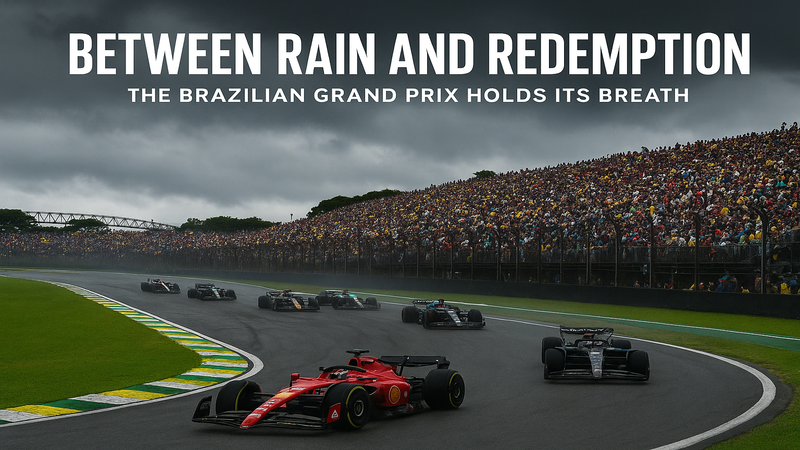
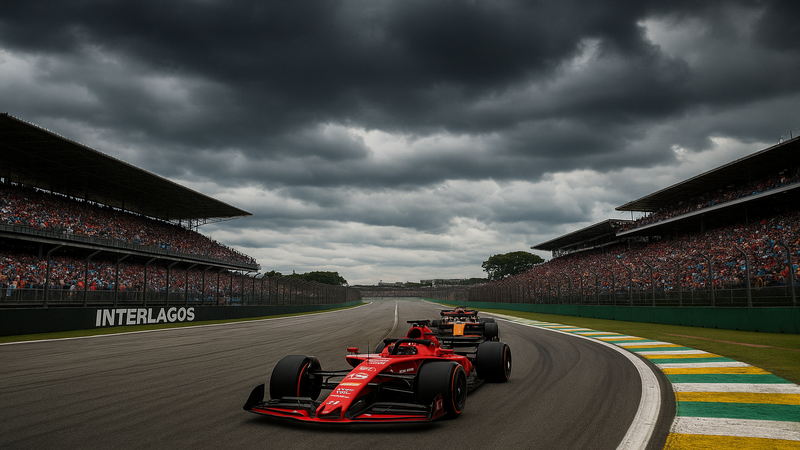
As the afternoon sun settled over São Paulo on November 7, 2025, the stage was set for one of Formula 1’s most crucial qualifying sessions of the season. The Autódromo José Carlos Pace, better known as Interlagos, was buzzing with energy as thousands of fans filled the stands, their cheers echoing across the hillsides of the legendary circuit. The qualifying session, scheduled for 3 p.m. local time, would determine the starting grid for the weekend’s Sprint Race, placing enormous pressure on drivers and teams to deliver perfection. Interlagos, with its 4.3-kilometre layout, remains one of the most technically demanding tracks on the calendar — combining low-speed corners, high-speed straights, and sudden elevation changes that challenge both precision and bravery. Weather, always the unpredictable factor in São Paulo, hovered in the background as dark clouds teased the possibility of a late-afternoon shower.
Every driver on the grid was cleared to participate, but several teams entered the session with lingering concerns from earlier in the weekend. Oscar Piastri’s heavy contact with the barriers during Friday’s practice left McLaren mechanics working overnight to replace key aerodynamic components, while Red Bull engineers were forced to make precautionary checks on Yuki Tsunoda’s car after his off-track moment damaged the rear wing assembly. Ferrari reported no injuries but raised minor alarms over Charles Leclerc’s power-unit temperature management, which required a recalibrated cooling strategy before qualifying. Mercedes, on the other hand, enjoyed a trouble-free build-up, but both George Russell and Lewis Hamilton reported mild steering vibration during their warm-up runs — an issue the team aimed to correct before the timed laps began. No reserve drivers were activated, but garage tension was unmistakable as engineers worked to ensure every system ran at peak performance with no margin for error.
From a tactical perspective, the 2025 Brazilian Grand Prix qualifying session presented a balancing act between boldness and restraint. Teams faced a clear choice: chase raw speed for pole position or prioritize tyre preservation and data for the upcoming Sprint. McLaren and Ferrari opted for low-fuel, high-attack setups, focusing on maximizing tyre temperature quickly through the Senna S and Descida do Lago. Red Bull took a different approach, fine-tuning downforce distribution to gain stability in sector two’s sweeping corners, while Mercedes appeared to chase a middle ground — prioritizing consistency rather than outright pace. The resurfaced track offered fresh grip in the braking zones but remained uneven in several key spots, forcing drivers to manage wheelspin out of the slower turns. Given the short lap time at Interlagos — barely over one minute — even the smallest hesitation or mistimed throttle application could cost multiple grid positions. The teams knew that success in qualifying would depend on nailing every detail: perfect tyre prep, precise out-lap management, and timing their runs before track evolution peaked.
The media build-up to the session reflected the sense of tension and shifting storylines that have defined the 2025 season. Brazilian outlets celebrated the home-crowd energy, particularly for young rookie Gabriel Bortoleto, who was preparing for his first qualifying on home soil. International journalists, meanwhile, focused on the evolving battle between McLaren and Red Bull, describing the session as “a turning point” in the championship narrative. Questions circulated about whether Lando Norris could continue his streak of front-row starts, or if Max Verstappen would reclaim the qualifying dominance that once seemed inevitable. Reporters also drew attention to Ferrari’s form, noting that the team’s long-run pace looked strong, but single-lap performance remained inconsistent. Weather speculation dominated headlines too — a light drizzle was forecast near the session’s final minutes, leading to debate over whether teams would risk sending drivers out early or gamble on a drying track. Every major outlet agreed: one mistake, one mistimed run, and a weekend’s hopes could vanish before the Sprint even began.
In the broadcast studios, analysts broke down the upcoming session with forensic precision. Former drivers emphasized that Interlagos qualifying demands courage and rhythm — the kind that only comes when a driver fully trusts their car. Analysts pointed out that the track’s anti-clockwise nature puts heavy strain on the neck and left-side tyres, making fatigue management essential in longer runs. Technical commentators discussed the importance of tyre warm-up on the soft compound, predicting that drivers who over-pushed on their out-laps might lose grip through the long uphill drag to the line. Others highlighted the psychology of qualifying under pressure, particularly for title contenders: the challenge of blocking out crowd noise, ignoring split-times, and focusing entirely on execution. Studio consensus suggested that McLaren held the one-lap advantage, but Red Bull’s race-pace preparation might allow them to strike back in the Sprint. As the green light approached and engines fired up, the analysts’ words seemed prophetic — qualifying at Interlagos was never just about speed; it was about nerve, timing, and the ability to deliver brilliance when the world was watching.
| Read a Related Article |
|---|
All Roads Lead to Interlagos: Strategy, Nerves, and the Fight for Glory in Brazil