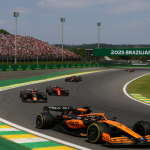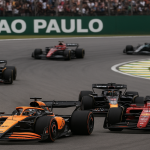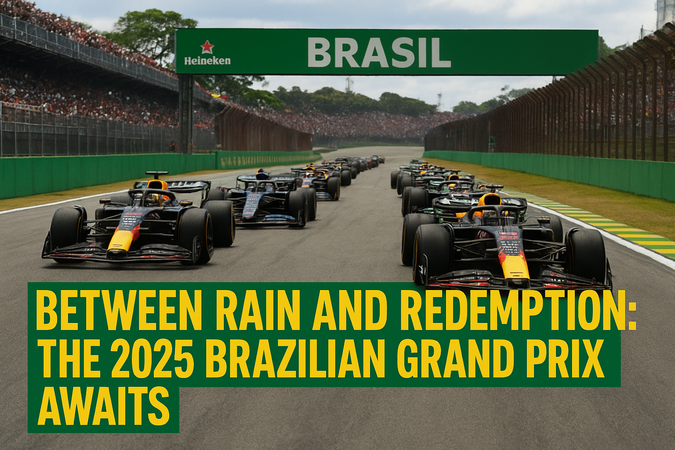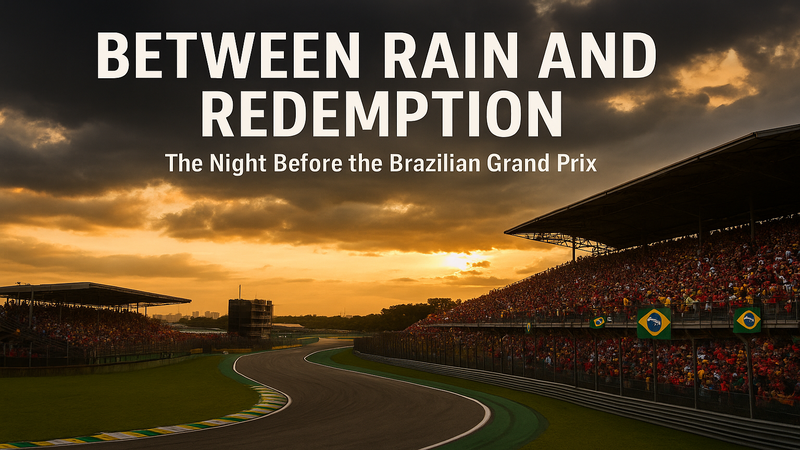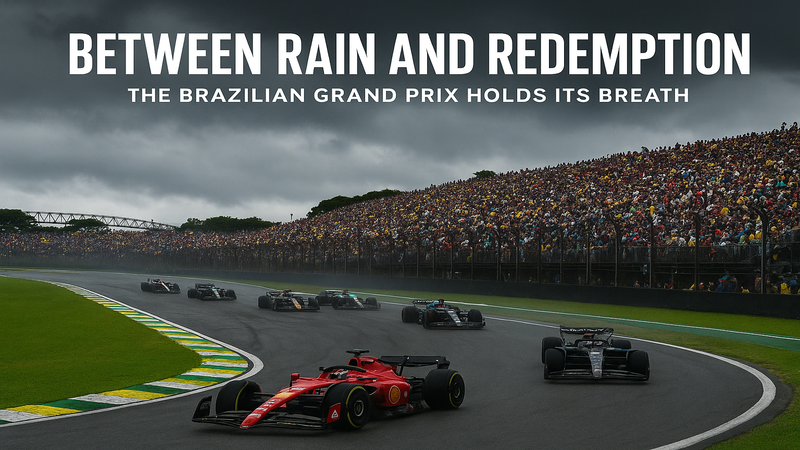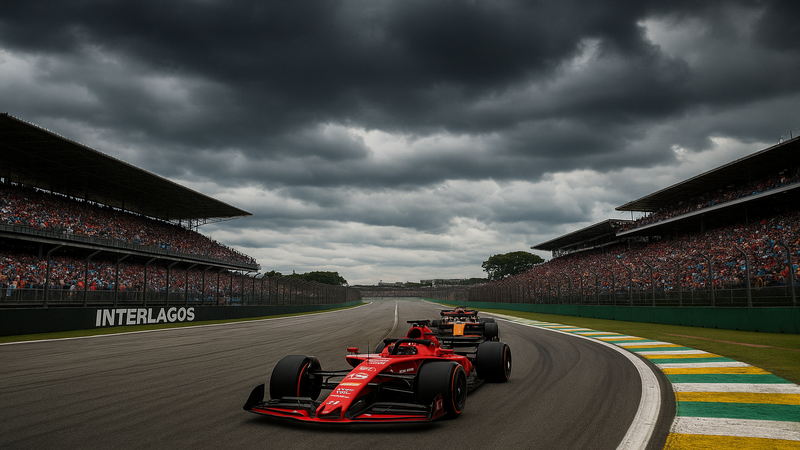
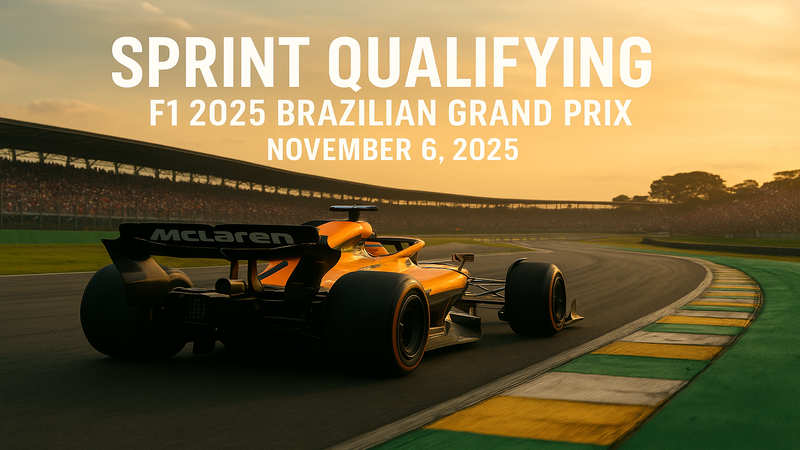
The atmosphere at Interlagos grew electric as the sun began to sink over São Paulo, setting the stage for Sprint Qualifying at the 2025 Brazilian Grand Prix. Scheduled for Friday, November 6, this session promised to be one of the most important in the late-season calendar. The Autódromo José Carlos Pace, famous for its sharp elevation changes, sweeping corners, and passionate crowds, provided a dramatic backdrop. The track’s 4.3-kilometer layout has long been a driver favorite but demands perfection: narrow racing lines, unpredictable wind gusts through the Senna S, and the risk of rain looming over the session made every lap a potential game-changer. With only one hour of practice earlier in the day, Sprint Qualifying became a high-stakes challenge of precision, pressure, and adaptability.
Heading into the session, every driver on the grid was cleared to race, but not without a few tense moments earlier. Yuki Tsunoda’s crash in first practice left his Red Bull mechanics scrambling to replace front and rear wings, and though no driver substitutions were needed, the incident served as a warning. Teams doubled their inspection routines, looking for any hairline cracks or hidden mechanical issues that could compromise Sprint Qualifying performance. The condensed sprint format left no room for recovery—one minor issue could ripple through the entire weekend. Engineers and drivers alike faced the unenviable task of balancing reliability with aggression, knowing that even a small mistake could decide grid positions for both the sprint and the main Grand Prix.
Strategically, the teams entered Sprint Qualifying with sharply contrasting approaches. McLaren, buoyed by their blistering pace in practice, aimed for outright speed—light fuel, soft tyres, and an aggressive ride height setup that allowed both Norris and Piastri to attack curbs without losing traction. Red Bull, unsettled by Tsunoda’s mishap, focused on stability, choosing a slightly higher downforce configuration to minimize sliding in the middle sector. Ferrari split its strategy between short-run grip and tyre preservation, a calculated risk given how quickly the Interlagos surface evolves. Mercedes took a cautious stance, prioritizing aerodynamic consistency and balance over one-lap flair. The unpredictable weather added another layer of intrigue: cooler evening temperatures could help tyre wear but also shrink operating windows, making tyre pressure adjustments crucial in the dying minutes of qualifying.
The press surrounding Sprint Qualifying was charged with anticipation. Journalists described the atmosphere as “knife-edge calm,” with most outlets emphasizing how little margin for error remained. Local Brazilian media celebrated the return of a packed house at Interlagos, while international coverage focused on McLaren’s momentum—particularly the growing belief that the papaya-orange cars might outpace the reigning champions. Reporters noted the pressure on Red Bull to respond, hinting that the team’s once-dominant qualifying advantage might be waning. Weather reports dominated the headlines too, predicting a slim but real chance of late-day showers. The press narrative converged on one key theme: this session wasn’t just about speed—it was about control, confidence, and composure under a sky that might change in minutes.
From the broadcast studios, analysts broke down the technical and psychological stakes with sharp insight. They highlighted the unique sprint dynamic: with points on offer and little room for error, every tenth of a second carried strategic weight. Pundits praised McLaren’s aerodynamic balance and driver synergy, noting how well Norris and Piastri adapted to the bumps and camber changes at Interlagos. Others cautioned that Red Bull’s history of strong race setups could mean they were holding back, saving performance for the sprint itself. Ferrari’s engineers drew both skepticism and curiosity for their unconventional tyre warm-up program, while Mercedes was described as “quietly efficient,” avoiding drama but yet to show true pace. Studio panels concluded that Sprint Qualifying would reveal more than just grid positions—it would expose which teams could thrive under compressed pressure, and which would crack under the heat of São Paulo’s evening sky.
| Read a Related Article |
|---|
Norris, Verstappen, and the Battle for Control: Sprint Race Tensions Rise at Interlagos